Avoid Overuse/Don’t Overdo It
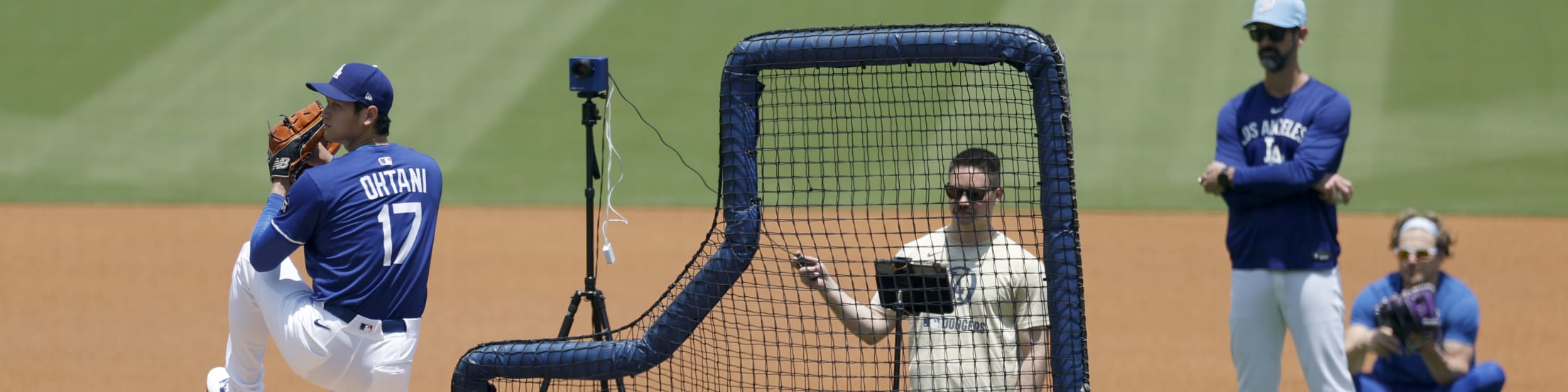
One of the most important ways to prevent injuries is to avoid pitching when tired or in pain. Players should learn to listen to their bodies. If something feels off, it's okay to stop. No game is worth risking long-term health.
Look out for these common warning signs:
•Soreness
•Tightness
•Aching
•Feeling unusually weak or tired
•Drop in velocity
•Loss of command
•Changes in pitching mechanics
Keep paying attention after the game and in the following days. If these symptoms linger, that's a sign it might be time to rest or see a doctor.

Pitching puts a lot of stress on the body, even when it's done with perfect mechanics. That's why rest from pitching is just as important as practice. Every pitcher, from youth baseball to the Majors, needs regular time off to recover and stay healthy long-term.
Young pitchers should follow these key rules:
1. Do not exceed the Pitch Smart pitch count and rest day recommendations.
2. Take at least three months off from high-intensity throwing each year (ex: October-January).
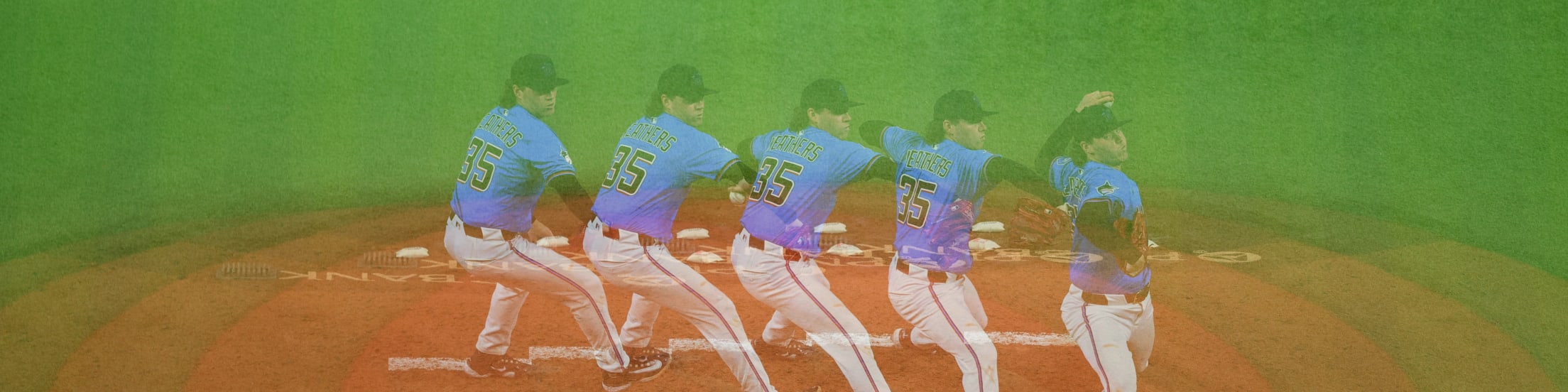
Pitch counts are a helpful tool, but they don't tell the whole story.
Pitch Smart guidelines set boundaries on how many pitches a player should throw in a game and how much rest they need after. These rules can help prevent overuse injuries, but they only cover what happens during games.
Pay attention to and account for "hidden pitches" in workload that also add up, like:
•Bullpen sessions
•Warm ups
•Long toss
•Training drills (ex: weighted ball work)
It's also important to remember that pitch count limits are maximums, not goals. Just because a player is allowed to pitch doesn't mean they should, especially if they feel tired or sore.
Players who pitch for multiple teams or in different tournaments need to be extra careful. Total workload can add up quickly.
Lastly, while it's great for players to try different positions, keep an eye out for throwing volume, especially for players who also player catcher or shortstop. Those positions involve a lot of throws, which also count toward overall workload.
Focusing on just one sport all year can increase injury risk.
When players do the same motions over and over -- like pitching -- it puts repeated stress on the same muscles and joints. That kind of wear and tear can lead to overuse injuries, especially when there's no break in the routine. Just like the treads on a tire wear out over time, the shoulder and elbow can do the same.
That's why medical experts recommend that youth athletes play multiple sports. Multi-sport athletes build better overall coordination, strength, and skills. Multi-sport athletes also have less burnout since their sport is constantly changing.
Players shouldn't specialize in baseball too early. Ideally, players should wait until high school (or even college) before focusing solely on baseball. The same goes for becoming a "pitcher-only" too young. The more ways that young players can move, play, and grow, the better it is for long-term development and health.