Don't Rush Velocity

Research shows that higher pitch velocity puts more strain on a player's shoulder and elbow, increasing the risk of injury. This can really be risky for young pitchers who are still growing, since youth baseball players develop at different rates.
Chasing velocity too early can lead to bad habits and overuse injuries. Instead, pitchers should focus on building strength in the legs and core, focusing on flexibility and range of motion, and using proper mechanics. These are safer ways to help grow velocity naturally over time, instead of overthrowing.
If a young pitcher does throw hard, it's even more important to follow Pitch Smart guidelines, rest properly and watch for signs of fatigue or pain.
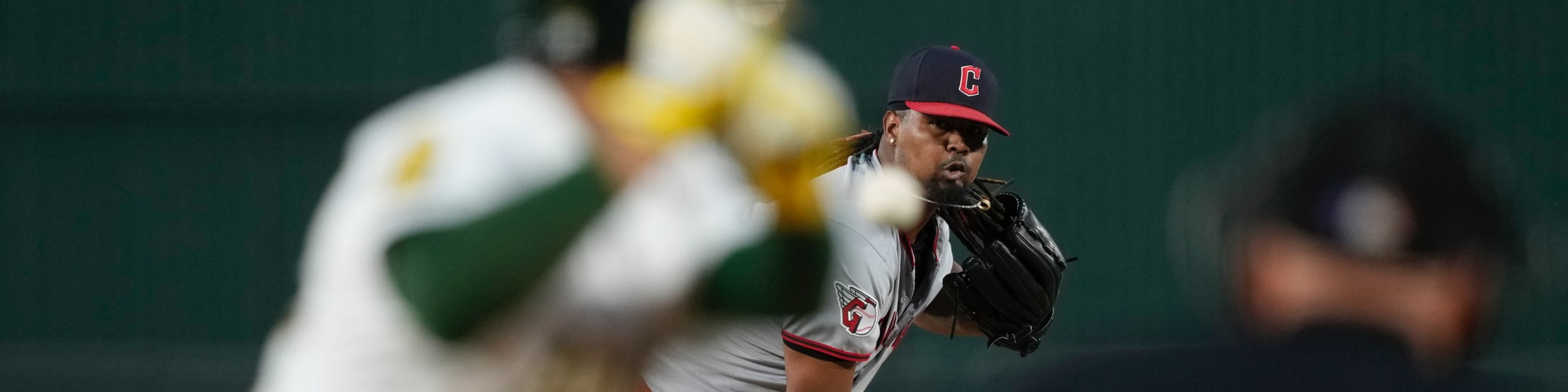
Don't rush the process. Yes, college coaches and MLB scouts care about velocity and "stuff," but only once players are much older. Pushing too hard, too soon, can actually hurt your chances of playing at the next level.
By rule, colleges aren't allowed to recruit players until their junior year of high school, and professional scouts only pay serious attention to players the summer before their senior year of high school. That means there's no need to rush. Let velocity come naturally, instead of overtraining.
Focus instead on building a strong foundation of strength, good mechanics and durability/consistency that will help you keep improving year after year. The right habits now will give you a better shot later.
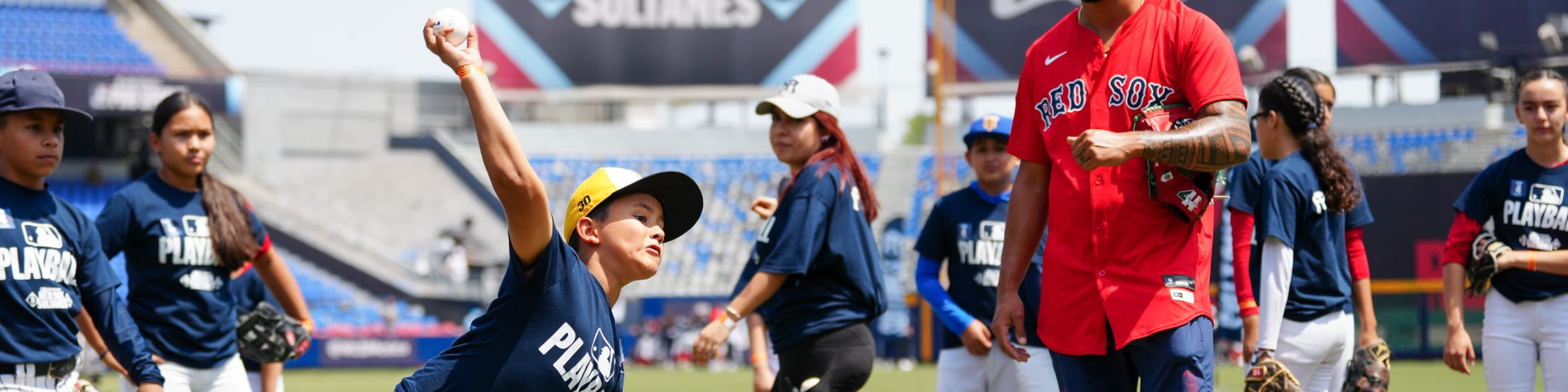
What works for professional players isn't always safe for younger players.
It may be tempting to copy some training methods of professional pitchers, but they can be very dangerous for young players who are still growing. Pros have fully developed bodies, years of experience and expert supervision. Kids and teens are still developing, which means pushing too hard too soon can lead to injuries that affect long-term progress.
Real development takes time. Many of the most successful professional pitchers built their strength and skills gradually over many years, well into adulthood.

Too many showcases can put young arms at risk. Showcases often encourage pitchers to throw as hard as they can in short bursts to impress scouts, but that style of high-intensity throwing puts extra stress on the arm and increases the risk of injury.
Young players should be careful about how often they attend showcases. Common risks include:
- Overthrowing to hit a certain velocity.
- Frequent travel, which can disrupt sleep, nutrition and recovery routines.
- Pitching without proper ramp-up, especially after time off or late in a long season.
Young players should not throw in showcases when they have not "ramped up" to that level. Staying healthy, developing steadily and performing consistently over a long period of time is what really gets players noticed.
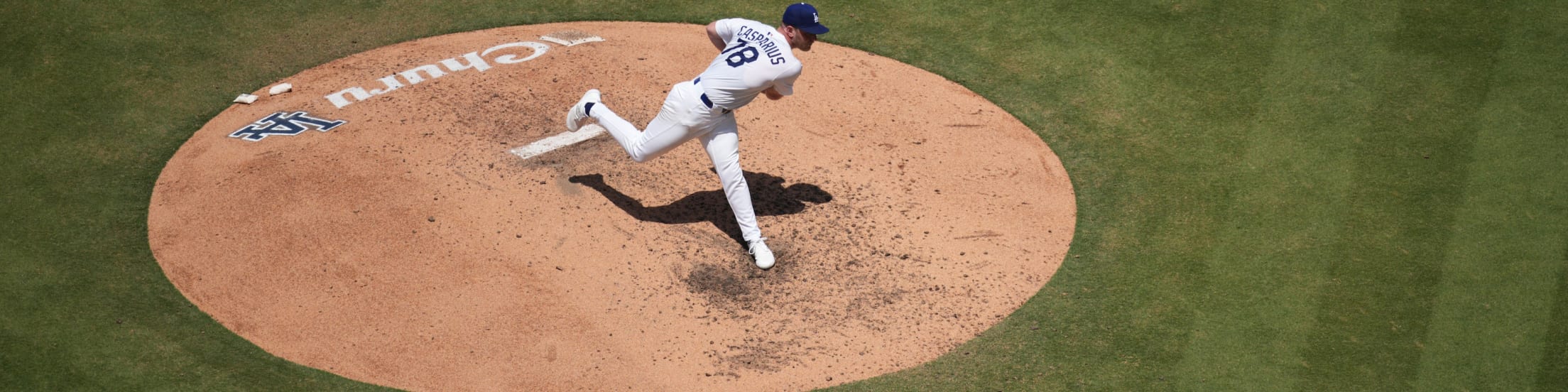
Pitching isn't just about throwing hard. Great pitchers succeed because they do more than just light up the radar gun. They also command the strike zone, mix their pitches and hit their spots with precision.
Professional pitchers take pride in outsmarting hitters, not just overpowering them. So, studying batters, changing speeds, sequencing pitches in smart ways and finding ways to get through a lineup multiple times is just as important as velocity.

Surgery is not a quick fix, and it's not something that pitchers should count on. There are no guarantees that pitchers come back from injury or surgery. MLB team doctors and surgeons warn that major arm injuries, like those requiring Tommy John surgery, can seriously impact a young pitcher's development and long-term future in the game. Rehab can also take a long time, and result in missed opportunities to learn, play and develop as a player.
Even at the professional level, about one in five players who undergo Tommy John surgery never return to their same level of play. And the success rates drop significantly for those who need a second surgery.
The best way to build a long, healthy career is to avoid injury in the first place by sticking to smart routines and following the Pitch Smart guidelines.